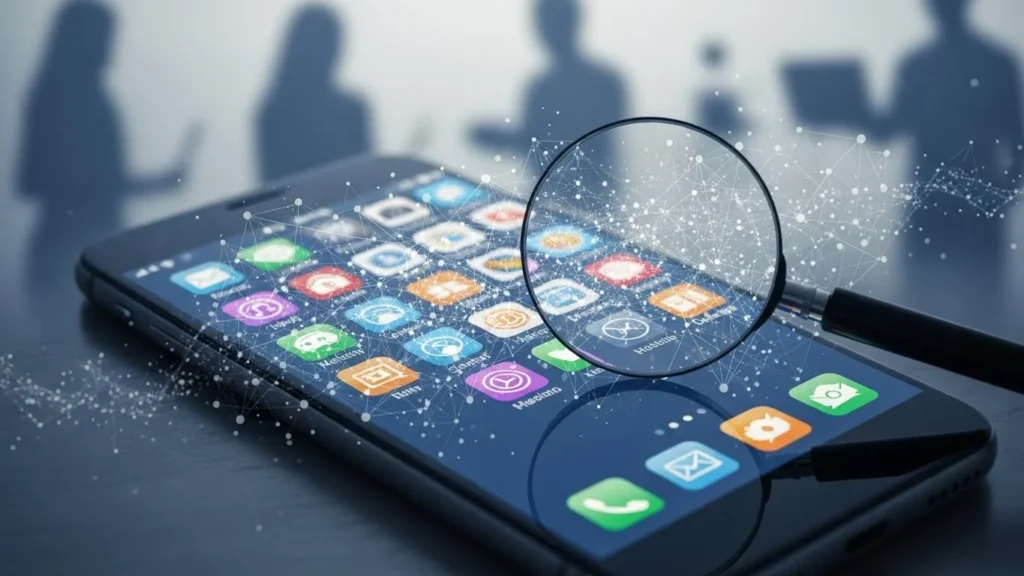
You wake up and check your phone.
The weather looks right.
A reminder pops up just when you were about to leave.
Later that day, an app suggests a restaurant that feels… oddly perfect.
You didn’t search for it.
You didn’t ask for it.
And yet, it fits your life almost too well.
That quiet accuracy is the moment most people miss.
The Comfortable Illusion of a “Helpful” Phone
Your phone feels like a personal assistant.
It remembers things so you don’t have to.
It adjusts to you.
It anticipates your needs.
That’s not accidental.
Modern smartphones are designed to learn from patterns, not secrets.
They don’t need to hear your private thoughts.
They just need to watch what you do—consistently.
Small actions, repeated daily, create a surprisingly clear picture of who you are.
How Everyday Actions Turn Into Personal Insight
You don’t need to type personal details for your phone to understand you.
It learns from signals like:
- When you wake up and go to sleep
- How often you unlock your screen
- Which apps you open first each morning
- How long you stay in certain places
- What you ignore versus what you tap instantly
Individually, these actions seem meaningless.
Together, they form patterns.
Patterns are powerful.
Location Data Is About Routine, Not Maps
Most people think location tracking means GPS pins.
In reality, it’s about habits.
Your phone learns:
- Where you likely live
- Where you work or study
- Which routes you prefer
- When you’re usually out or home
Even if location services are “off,” approximate location can still be inferred through Wi-Fi networks, cell towers, and Bluetooth signals.
This isn’t about following you.
It’s about predicting you.
App Permissions Most People Approve Without Thinking
That quick “Allow” tap matters more than most realize.
Many apps request access to:
- Location
- Contacts
- Photos and media
- Microphone or camera
- Usage activity
Often, the request feels reasonable in the moment.
But over time, these permissions allow apps to understand:
- Your social circle
- Your daily rhythms
- Your interests and priorities
- Even changes in mood or routine
Not because the app is malicious—
but because that’s how personalization works.
Your Phone Understands Behavior Better Than Intent
Here’s what surprises people most:
Your phone doesn’t care what you say you want.
It cares what you do.
For example:
- You say you want to save money—but browse shopping apps late at night
- You say you want to exercise—but spend evenings stationary
- You say you’re not interested—but pause on certain content longer
Behavior is more honest than intention.
Phones are built to observe behavior.
Notifications Reveal More Than Messages
Notifications aren’t just alerts.
They’re feedback loops.
Your phone learns:
- Which notifications you open immediately
- Which ones you ignore
- Which times you’re most responsive
Over time, this helps systems decide:
- When to reach you
- What to prioritize
- What to stop showing you
That’s why notifications start to feel “well-timed.”
They are.
Why This Knowledge Exists in the First Place
This isn’t about spying.
It’s about optimization.
Phones are designed to:
- Reduce friction
- Increase convenience
- Keep you engaged without effort
Personalization improves user experience.
It also improves business outcomes.
Both rely on understanding patterns.
That’s the trade-off most people accept—often without realizing it.
Common Myths People Still Believe
Let’s clear up a few misunderstandings.
Myth 1: “My phone listens to my conversations.”
Most personalization comes from behavior, not audio.
Myth 2: “Only tech-savvy people are affected.”
Simpler usage often creates clearer patterns.
Myth 3: “Turning off one setting solves everything.”
Data comes from multiple sources working together.
Understanding reality removes unnecessary fear—and false comfort.
Who Is Most Affected Without Realizing It
The people most surprised by this are often:
- Casual users who “don’t do much online”
- Older users unfamiliar with digital systems
- People who rarely review settings
- Anyone who values privacy but prioritizes convenience
You don’t need to be heavily online to leave a strong digital footprint.
Consistency matters more than intensity.
A Simple Comparison: What You Think vs. What Happens
| What You Assume | What Actually Happens |
|---|---|
| “I didn’t share that” | Patterns filled in the gaps |
| “I barely use apps” | Usage timing still reveals habits |
| “I turned off tracking” | Alternative signals remain |
| “It’s just suggestions” | Suggestions are feedback-based |
Awareness begins with understanding this gap.
What Actually Helps (And What Doesn’t)
What helps:
- Reviewing app permissions periodically
- Limiting location access to “while using”
- Turning off unnecessary background activity
- Being intentional about which apps you keep
What doesn’t help:
- Panic
- One-time setting changes
- Deleting a single app and assuming privacy is solved
Calm consistency matters more than drastic moves.
Why This Matters in Everyday Life
This knowledge shapes:
- What content you see
- Which options appear “naturally”
- How your time and attention are guided
When you understand this, you regain choice.
Not control over everything—but awareness.
And awareness changes behavior.
Key Takeaways
- Your phone learns from patterns, not secrets
- Small daily actions reveal more than people expect
- Personalization is built on behavior, not surveillance
- Awareness—not fear—is the real solution
- You can adjust habits without losing convenience
Frequently Asked Questions
Does my phone listen to me all the time?
No. Most personalization comes from behavior data, not audio recording.
Is this information stored forever?
Data retention varies, but patterns matter more than individual moments.
Can I completely stop data collection?
Not entirely—but you can significantly reduce unnecessary sharing.
Is this illegal or unsafe?
Most data use follows user agreements and regulations, though awareness is important.
Do basic phones collect less data?
Simpler devices collect less—but smartphones rely on data by design.
A Calm Conclusion
Your phone isn’t a mind reader.
It’s a pattern reader.
It doesn’t know your deepest thoughts.
It knows your habits, routines, and reactions.
When you understand that difference, the experience becomes less unsettling—and more empowering.
You don’t need fear.
You don’t need extremes.
Just awareness, intention, and a little curiosity about how your digital world really works.
Disclaimer: This article is intended for general awareness and understanding, not professional or specialized advice.

Natalia Lewandowska is a cybersecurity specialist who analyzes real-world cyber attacks, data breaches, and digital security failures. She explains complex threats in clear, practical language so everyday users can understand what really happened—and why it matters.
Pingback: What Really Happens to Your Data When You Click “Accept All”
Pingback: How Your Daily Online Habits Quietly Build a Permanent Digital Profile — And Why It Matters More Than You Think
Pingback: How Digital Dependence Expands Vulnerability — The Hidden Risk We Accept Without Noticing
Pingback: The Hidden Ways Apps Track You Even After You Close Them