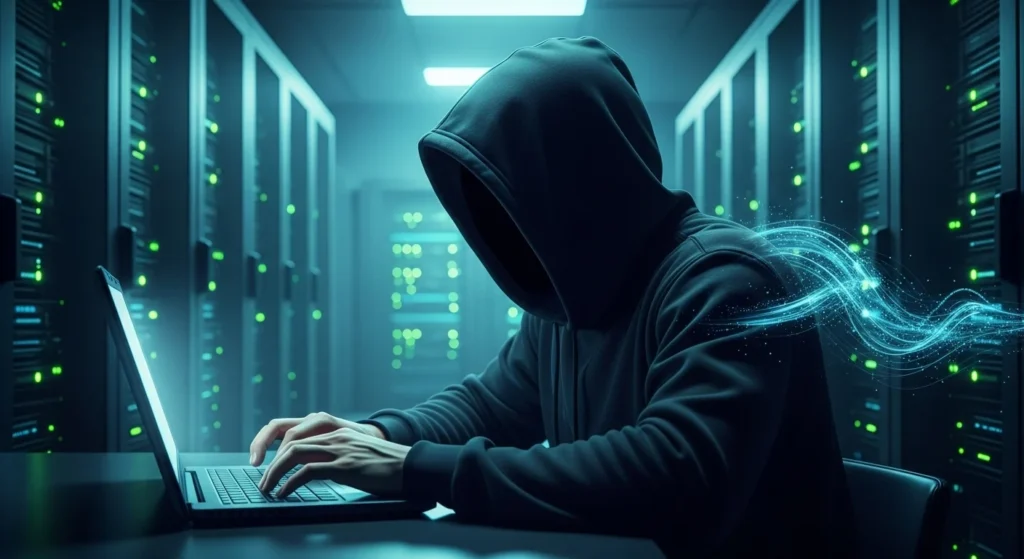
The Most Dangerous Cyber Attacks Don’t Look Like Attacks
Most people imagine hacking like a movie scene:
Flashing screens.
Instant chaos.
Systems shutting down.
But the reality is far more unsettling.
Many of the worst cyberattacks don’t explode right away.
They hide quietly inside networks…
For weeks.
For months.
Sometimes even longer.
And the victim?
Often has no idea.
That’s what makes these attacks so terrifying:
The damage isn’t delayed because hackers are slow.
It’s delayed because they’re strategic.
Let’s break down why some breaches remain invisible for months—and what’s really happening during that silent period.
Why This Matters Today (Even If Nothing Seems Wrong)
Here’s the uncomfortable truth:
If an attacker gets into your system today…
You probably won’t know tomorrow.
Modern cybercrime isn’t always about fast destruction.
It’s about:
- long-term access
- quiet surveillance
- data theft
- patience
- profit
Cybercriminals don’t always want you to notice.
In fact…
Many attacks succeed because they stay hidden.
And the longer they remain undetected…
The more devastating they become.
The Key Concept: Not All Hackers Want Immediate Damage
Some cyberattacks are loud:
- ransomware encryption
- website defacement
- sudden system crashes
But the most advanced attackers prefer silence.
Why?
Because loud attacks trigger:
- security alerts
- IT investigations
- account lockdowns
- rapid containment
Silent attacks trigger nothing.
They allow criminals to:
- explore systems freely
- steal data slowly
- plan larger moves
- strike at the perfect time
It’s not about breaking in.
It’s about staying in.
What Are These Long-Hidden Attacks Called?
Cybersecurity professionals often call them:
Advanced Persistent Threats (APTs)
An APT is a stealthy cyber intrusion where an attacker:
- gains unauthorized access
- stays hidden
- maintains control for a long time
- steals information gradually
APTs are commonly associated with large organizations…
But the techniques are increasingly used against smaller targets too.
Because automation has made stealth accessible.
How Do Hackers Stay Hidden for So Long?
It feels almost impossible.
Shouldn’t antivirus catch them?
Shouldn’t networks detect abnormal behavior?
Not always.
Because attackers use methods specifically designed to blend in.
Let’s explore the most common reasons.
1. Hackers Don’t Rush — They Study
One of the biggest misconceptions is that cybercriminals act immediately.
In reality, many hackers behave like burglars who move into your house…
And spend weeks learning where everything is kept.
They watch:
- user behavior
- business processes
- administrator privileges
- backup schedules
Example:
Instead of stealing instantly, attackers wait until payroll day…
Or until a major business launch…
When disruption will hurt the most.
Patience is power.
2. They Use Legitimate Tools, Not Obvious Malware
The smartest attackers don’t install flashy viruses.
They use tools that already exist inside systems.
This technique is called:
Living Off the Land
They abuse legitimate utilities like:
- PowerShell
- Windows Management Instrumentation (WMI)
- Remote desktop tools
- Admin software
To security systems, it looks like normal activity.
No suspicious file.
No obvious malware.
Just quiet misuse.
3. Fileless Malware Leaves Almost No Trace
Traditional malware sits on the hard drive.
Modern malware often doesn’t.
Fileless attacks run in:
- memory
- system processes
- temporary scripts
This makes detection extremely difficult.
Antivirus tools scan files.
But what happens when there is nothing to scan?
That’s why fileless threats often remain invisible for months.
4. Attackers Disable or Bypass Security Monitoring
Once inside, hackers often target the defenses first.
They may:
- turn off antivirus notifications
- disable logging
- uninstall security agents
- modify monitoring rules
It’s like cutting the alarm system before robbing the building.
By the time anyone notices…
The attacker has already been watching for weeks.
5. Stolen Credentials Look Like Normal Users
One of the easiest ways to stay hidden is to avoid malware entirely.
Hackers often steal:
- passwords
- session cookies
- authentication tokens
Then they simply log in.
To the system, it looks like:
- a normal employee
- a trusted user
- valid access
No exploit needed.
This is why credential theft is so dangerous.
6. They Move Slowly to Avoid Suspicion
Fast activity triggers alarms.
Slow activity blends in.
Attackers intentionally limit:
- data downloads
- system changes
- login frequency
- network scanning
They steal in small portions.
A few files today.
A few tomorrow.
No spike.
No alert.
That’s why breaches often go unnoticed until the damage is massive.
7. Many Organizations Don’t Detect Breaches Quickly
Here’s an uncomfortable industry reality:
Many systems don’t have strong detection in place.
Common gaps include:
- outdated security software
- missing endpoint detection tools
- poor log monitoring
- lack of threat hunting
- alert fatigue in IT teams
Hackers exploit silence.
Not because they are invisible…
But because no one is looking deeply enough.
Comparison Table: Loud Attacks vs Hidden Attacks
| Feature | Loud Attack (Ransomware) | Hidden Attack (APT-Style Breach) |
|---|---|---|
| Visibility | Immediate | Silent for weeks/months |
| Goal | Quick payoff | Long-term access + theft |
| User notices? | Yes, quickly | Often never |
| Tools used | Malware payloads | Legit tools + credentials |
| Detection difficulty | Moderate | Very high |
| Damage style | Sudden disruption | Slow, deep compromise |
Hidden attacks are dangerous because they feel like nothing is happening…
Until everything is gone.
Real-Life Example: The Quiet Email Compromise
Imagine this scenario:
A small business owner clicks a phishing email.
Attackers steal their Microsoft 365 login.
They don’t lock anything.
They don’t send ransomware.
Instead, they quietly monitor emails for months.
Then one day…
They intercept an invoice payment.
They change the bank details.
The business wires $80,000 to criminals.
No malware.
No warning.
Just patient surveillance.
That’s the modern hidden breach.
Mistakes That Allow Attacks to Stay Hidden
Here are the most common reasons victims never notice:
- assuming antivirus is enough
- weak passwords
- no multi-factor authentication
- ignoring unusual login alerts
- poor visibility into network activity
- no backups or incident response plan
- trusting every internal user blindly
Cybersecurity failures are often silent.
Until they aren’t.
How to Detect Hidden Attacks Early (Actionable Steps)
The good news?
Stealth doesn’t mean unstoppable.
Here’s what actually works:
✅ 1. Enable Multi-Factor Authentication Everywhere
MFA blocks stolen password attacks.
✅ 2. Use Endpoint Detection and Response (EDR)
EDR tools detect suspicious behavior, not just known viruses.
✅ 3. Monitor Login Activity
Watch for:
- logins from unfamiliar locations
- unusual times
- repeated failures
- impossible travel alerts
✅ 4. Patch and Update Systems Regularly
Many long-term breaches start with unpatched vulnerabilities.
✅ 5. Segment Networks
Don’t let one compromised device access everything.
✅ 6. Conduct Regular Threat Hunting
Proactive investigation finds what automated tools miss.
✅ 7. Train Users Against Phishing
Many stealth breaches begin with one click.
Human awareness is still the best firewall.
Hidden Tip: The Absence of Evidence Is Not Evidence of Safety
Many people say:
“My computer seems fine.”
That’s exactly what attackers want.
Modern cybercrime is designed to remain invisible.
If you wait until something feels wrong…
You’re already late.
Prevention and monitoring matter more than panic.
Key Takeaways (Quick Summary)
- The most dangerous cyberattacks stay hidden for months
- Hackers often prefer silent access over loud destruction
- APT-style breaches focus on surveillance and long-term theft
- Fileless malware and stolen credentials are common stealth methods
- Many victims don’t detect attacks because monitoring is weak
- MFA, EDR, patching, and awareness greatly reduce risk
FAQ: Why Attacks Stay Hidden for Months
1. Why don’t hackers act immediately after breaking in?
Because patience allows deeper access, more data theft, and higher-impact attacks later.
2. Can antivirus detect hidden cyberattacks?
Sometimes, but stealth attacks often bypass antivirus using fileless methods or legitimate tools.
3. What is the biggest reason breaches go unnoticed?
Stolen credentials. When attackers log in like real users, detection becomes much harder.
4. How long can attackers stay inside a system?
Weeks, months, sometimes longer—especially if monitoring and logging are weak.
5. What’s the best defense against stealth attacks?
Layered security: MFA, endpoint detection, patching, monitoring, and employee awareness.
Conclusion: The Scariest Attacks Are the Ones You Don’t See
Cyberattacks aren’t always loud.
Sometimes they’re quiet.
They sit inside systems like shadows…
Watching. Waiting. Collecting.
And the real damage happens long before anyone notices.
That’s why modern cybersecurity isn’t just about blocking attacks.
It’s about detecting them early.
Because in today’s digital world…
the silence is often the breach.

Natalia Lewandowska is a cybersecurity specialist who analyzes real-world cyber attacks, data breaches, and digital security failures. She explains complex threats in clear, practical language so everyday users can understand what really happened—and why it matters.