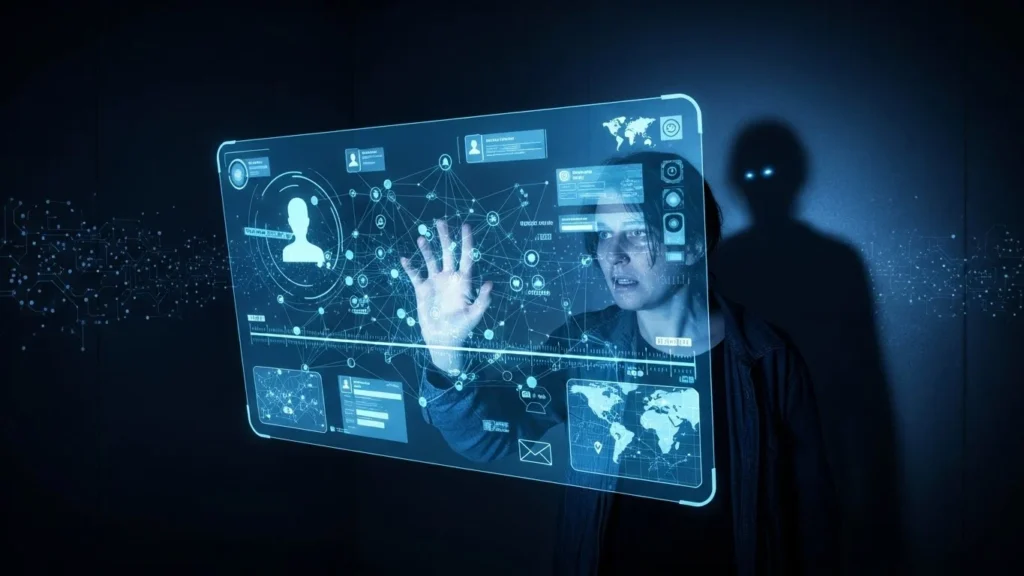
The Strange Feeling That an Attack Was “Meant for You”
You open a message.
It uses your name.
References something real.
Mentions a situation that just happened.
For a moment, it doesn’t feel like an attack at all.
It feels personal.
That reaction is becoming common — and it’s not accidental.
Future cyber attacks aren’t designed to scare everyone.
They’re designed to resonate with you.
This article explains why attacks are becoming personal, how technology enables it, and what this shift means for trust, security, and everyday digital life.
Why “Mass Attacks” Are Losing Effectiveness
For years, cybercrime relied on volume.
Send millions of emails.
Hope a few land.
But defenses improved:
- Filters got smarter
- Users got cautious
- Generic scams lost power
Attackers adapted.
Instead of shouting at crowds, they learned to whisper to individuals.
Personalization doesn’t just increase success rates — it bypasses suspicion entirely.
Data Turned Attacks Into Conversations
The biggest fuel behind personal attacks is data.
Not secret data.
Everyday data.
- Social media posts
- Public profiles
- Online purchases
- Breach-exposed credentials
When attackers stitch this together, messages stop feeling random.
They feel informed.
This is why organizations like the Federal Trade Commission consistently warn that identity-based fraud now causes more damage than technical hacking alone.
AI Made Personalization Scalable
Personal attacks used to require effort.
Researching one person took time.
AI changed that.
With automation, attackers can now:
- Generate customized messages instantly
- Adapt tone and language per target
- Scale personalization to thousands of people
What once required manual social engineering is now automated behavioral targeting.
Personal doesn’t mean handcrafted anymore.
It means algorithmically tailored.
Why Attacks Now Target Emotions, Not Systems
Modern attacks rarely start with malware.
They start with feelings.
Common emotional entry points include:
- Urgency
- Trust
- Fear
- Responsibility
- Familiarity
An email from “IT support” feels official.
A message from a “family member” feels urgent.
A request from a “boss” feels non-negotiable.
Emotion lowers defenses faster than technical exploits ever could.
The Shift From Technical Weakness to Human Weakness
Security systems are strong.
Humans are adaptable — but predictable.
Attackers learned it’s easier to:
- Convince someone to click
- Persuade someone to share
- Pressure someone to act
Than to bypass hardened infrastructure.
This shift explains why attacks now feel conversational instead of aggressive.
Real-Life Example: Targeted Phishing That Worked
In multiple reported incidents, attackers studied employees’ online presence.
They learned:
- Job roles
- Current projects
- Reporting structures
Messages referenced real initiatives, correct terminology, and familiar names.
Nothing looked suspicious.
The attack succeeded not because defenses failed — but because trust was exploited.
Why Familiar Voices Are the New Weapon
AI-generated voice and video are changing perception.
People trust:
- Voices they recognize
- Faces they’ve seen before
A brief call from a “known” contact feels authentic — even if it’s synthetic.
Law enforcement agencies such as Europol have repeatedly noted that deepfake-enabled fraud is rising because it feels emotionally real, not technically complex.
Personal Attacks vs Traditional Attacks
| Aspect | Traditional Attacks | Personal Attacks |
|---|---|---|
| Target | Large groups | Specific individuals |
| Language | Generic | Customized |
| Emotional tone | Obvious | Subtle and familiar |
| Detection | Easier | Harder |
| Success driver | Volume | Trust |
Why Your Online Habits Shape the Attacks You See
Attackers don’t guess blindly.
They observe.
- When you’re active
- What topics matter
- Which platforms you trust
Late-night messages feel casual.
Work-hour messages feel official.
Timing is part of personalization — and it works quietly.
Common Mistakes People Make With “Personal” Attacks
Many people assume:
- “They know me, so it’s legitimate”
- “This must be internal”
- “It’s too specific to be fake”
Specificity is no longer proof of authenticity.
It’s often the opposite.
Hidden Tip: Verify Outside the Message
The most effective defense against personal attacks isn’t technology.
It’s context switching.
- Call using a known number
- Message through a different app
- Confirm with another person
Personal attacks collapse when removed from their emotional bubble.
Why This Matters Today
Digital life is deeply intertwined with identity.
Work.
Family.
Finance.
Health portals.
Education.
As systems connect, identity becomes the access point.
Future attacks won’t break systems first — they’ll bypass them through people.
Understanding this shift changes how we protect ourselves.
Practical Ways to Stay Ahead of Personal Attacks
You don’t need paranoia.
You need structure.
- Limit public oversharing
Small details add up. - Slow down urgent requests
Urgency is a red flag. - Separate trust from familiarity
Familiar tone ≠ legitimacy. - Educate close contacts
Family is often targeted first. - Expect personalization
Expectation removes surprise.
Key Takeaways
- Future attacks feel personal because data enables precision
- AI makes individualized targeting scalable
- Emotional trust replaces technical exploitation
- Familiarity is now a weapon
- Verification, not intuition, is the strongest defense
Frequently Asked Questions
Are personal attacks only digital?
No. They increasingly involve phone calls, voice messages, and video interactions.
Does personalization mean attackers know everything?
No. They often know just enough to sound convincing.
Are individuals more at risk than companies?
Both are targeted, but individuals are often easier entry points.
Can technology alone stop personal attacks?
No. Human verification remains essential.
Will attacks keep becoming more realistic?
Yes. Especially in tone, timing, and emotional relevance.
A Simple Conclusion
Future attacks won’t announce themselves as threats.
They’ll arrive as conversations.
As requests.
As familiar moments.
That doesn’t mean the situation is hopeless.
It means security is no longer just about systems — it’s about awareness, patience, and verification.
When an interaction feels personal, that’s when it deserves a second look.
Disclaimer: This article is for general informational purposes only and aims to raise awareness about digital security trends.

Natalia Lewandowska is a cybersecurity specialist who analyzes real-world cyber attacks, data breaches, and digital security failures. She explains complex threats in clear, practical language so everyday users can understand what really happened—and why it matters.
Pingback: Why AI-Powered Scams Feel So Real Now — And Why Even Smart People Miss the Red Flags