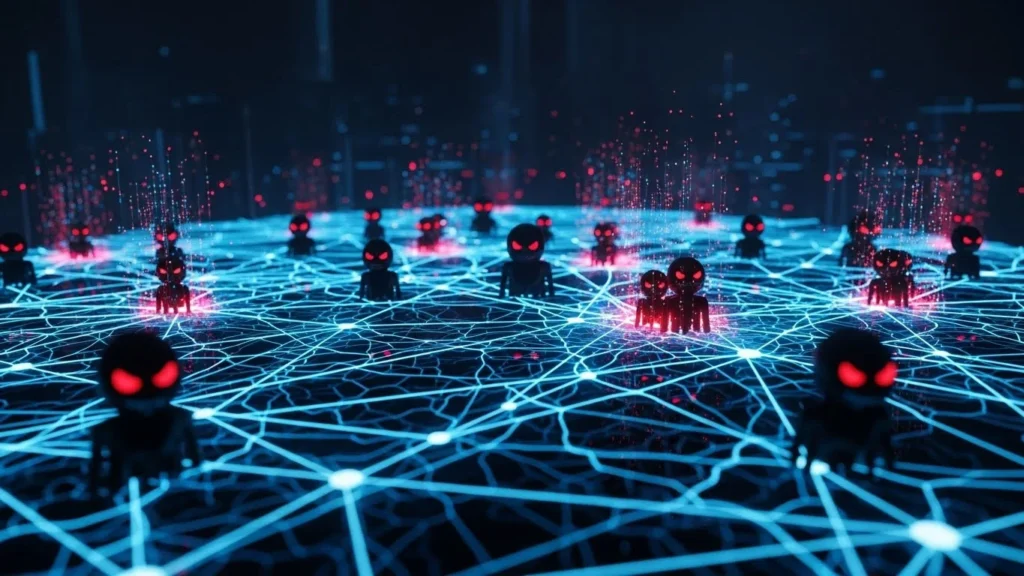
When Cyber Attacks Feel Like Bad Luck
You hear stories all the time.
A friend gets their email hacked.
A colleague loses access to an account overnight.
A company you trusted suffers a data breach.
And the reaction is almost always the same:
“Why them?”
“Why now?”
“That could’ve been anyone.”
Cyber threats feel random because they often hit without warning.
But randomness is an illusion.
Behind nearly every digital attack is a pattern—quiet, predictable, and invisible to most users.
Once you understand those patterns, cyber risk stops feeling mysterious—and starts feeling manageable.
Why the Brain Interprets Cyber Threats as Random
Humans are wired to look for visible cause and effect.
If you touch fire, you get burned.
If you speed, you get fined.
Cyber threats don’t work like that.
- The trigger may have happened months earlier
- The exposure may involve multiple platforms
- The attacker may never interact with you directly
When consequences arrive long after the cause, the brain labels it “bad luck.”
In reality, cyber threats are delayed outcomes of accumulated signals.
The Big Shift Most People Miss: Attacks Are Automated
One reason cyber threats feel random is because humans aren’t choosing targets one by one anymore.
Most attacks today are driven by:
- Automated scanning tools
- Algorithms looking for patterns
- Databases of leaked credentials
- Behavioral profiling
Attackers don’t ask, “Who should I attack?”
They ask, “Which systems match my criteria?”
If you match the pattern, you get hit.
Not because you were unlucky—but because you were visible.
Real-Life Example: Why One Person Gets Phished and Another Doesn’t
Two people use the same email provider.
Both are careful.
Both avoid suspicious links.
Yet only one receives repeated, convincing phishing emails.
Why?
Because that person:
- Uses the same email across many services
- Has appeared in multiple data leaks
- Fits a valuable demographic profile
Phishing campaigns aren’t random spam blasts anymore.
They’re filtered, refined, and targeted—often using data collected long before the email arrives.
The Hidden Signals That Put You on the Radar
Cyber threats follow signals, not emotions.
Common signals include:
- Email or phone number appearing in a breach
- Reused usernames across platforms
- Old accounts with weak security
- Predictable behavior patterns
- High-value digital activity (finance, admin access, business tools)
You don’t see these signals—but attackers do.
That’s why attacks feel sudden and personal, even when they’re automated.
Why This Matters More Than People Realize
Believing cyber threats are random creates passivity.
People think:
“If it happens, it happens.”
“There’s nothing I can do.”
That belief is dangerous—not because threats are inevitable, but because patterns are preventable.
Once you understand what attracts attention, you can reduce it.
Cybersecurity isn’t about hiding perfectly.
It’s about not standing out to automated systems.
Common Cyber Threats and the Patterns Behind Them
Let’s break down familiar threats—and why they happen.
1. Phishing Emails
These target:
- Known email lists
- Behavioral triggers (urgency, authority, curiosity)
- People who recently changed passwords or signed up for services
The email feels random.
The selection is not.
2. Account Takeovers
These rely on:
- Reused credentials
- Old passwords from breaches
- Automated login attempts
Attackers don’t guess passwords—they test known combinations at scale.
3. Identity Misuse
This happens when:
- Personal data exists across multiple databases
- Information can be combined into a full profile
- Verification systems rely on predictable questions
No single mistake causes this.
It’s the result of accumulated exposure.
Why “Anyone Can Be Targeted” Is Only Half True
Yes—anyone can be targeted.
But not everyone is equally likely.
Cyber threats follow probability, not fairness.
They favor:
- Higher visibility
- Lower friction
- Repeatable access
Understanding this removes fear and replaces it with clarity.
Cyber Threats vs. Random Events: The Key Differences
Here’s how reality differs from perception:
| Feels Random | Actually Patterned |
|---|---|
| Attacks come out of nowhere | Triggers happened earlier |
| Anyone could be hit equally | Risk varies by exposure |
| It’s about bad luck | It’s about visibility |
| Attacks feel personal | They’re usually automated |
| Nothing can be done | Patterns can be reduced |
Once you see this, cyber risk stops feeling mystical.
Mistakes That Increase Your Visibility Without You Realizing
Even cautious users often:
- Use one email everywhere
- Keep accounts they no longer need
- Ignore breach notifications
- Skip security audits
- Assume big platforms equal full safety
None of these feel dangerous.
But together, they raise your profile.
Practical Ways to Break the Pattern
You don’t need extreme measures.
Small steps disrupt automated targeting.
Actionable steps:
- Segment your digital identity
Different emails for finance, personal use, and sign-ups. - Reduce historical exposure
Close unused accounts and services. - Change what attackers expect
Unique passwords and login behaviors. - Limit data reuse
Avoid sharing the same information everywhere. - Assume patterns exist
Design habits around reducing predictability.
These steps don’t eliminate risk—but they dramatically lower it.
Hidden Tip: Boring Targets Get Ignored
Attack systems prioritize efficiency.
If you’re harder to categorize, harder to access, or harder to reuse at scale—you’re less attractive.
In cybersecurity, boring is good.
Why This Matters Today (And Going Forward)
Digital systems are becoming more automated—not less.
That means:
- Pattern-based targeting will increase
- Randomness will feel even stronger
- Individual awareness will matter more
Understanding why threats happen restores agency.
You stop waiting for luck—and start shaping outcomes.
Key Takeaways
- Cyber threats feel random because causes are delayed and invisible
- Most attacks follow clear, automated patterns
- Visibility and predictability drive risk
- You don’t need perfection—just disruption
- Awareness turns fear into control
Frequently Asked Questions
1. Are cyber attacks really targeted at individuals?
Often not personally—but behavior and data patterns determine selection.
2. Can careful users still be targeted?
Yes, but visibility and exposure level strongly affect likelihood.
3. Is automation the main driver of cyber threats?
Yes. Most modern attacks rely on scale and automation, not manual targeting.
4. Can I fully avoid cyber threats?
No—but you can significantly reduce risk by breaking common patterns.
5. Is cybersecurity about fear or control?
It should be about control, clarity, and informed habits—not fear.
A Clear, Grounded Conclusion
Cyber threats don’t strike at random.
They follow patterns—quiet ones built from everyday digital behavior.
Once you understand those patterns, the internet feels less hostile and more navigable.
You can’t control everything.
But you can stop being an easy match.
And that makes all the difference.
Disclaimer: This article is for general informational purposes only and aims to improve digital awareness, not to replace professional cybersecurity advice.

Natalia Lewandowska is a cybersecurity specialist who analyzes real-world cyber attacks, data breaches, and digital security failures. She explains complex threats in clear, practical language so everyday users can understand what really happened—and why it matters.
Pingback: Why Ordinary Users Are Prime Cyber Targets — The Quiet Reason You’re More Valuable Than You Think