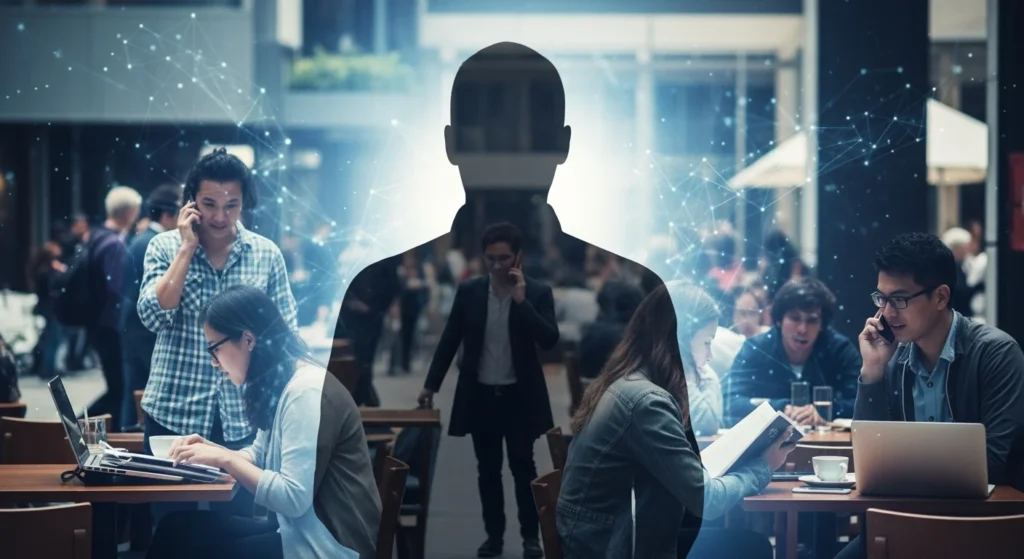
The Attack That Doesn’t Feel Like an Attack
Most cyber threats announce themselves.
A warning banner.
A suspicious attachment.
A glaring red flag.
Social engineering doesn’t.
It feels like:
- A normal message
- A routine request
- A helpful reminder
By the time people realize something went wrong, the damage is already done.
That’s what makes social engineering so dangerous—and so difficult to detect.
The Core Problem: It Looks Like Normal Life
Social engineering doesn’t exploit software flaws.
It exploits human behavior.
The messages don’t look malicious because they’re designed to blend in with everyday communication:
- Workplace emails
- Customer service messages
- Account notifications
- Friendly check-ins
Nothing feels out of place.
And when nothing feels wrong, suspicion never activates.
Why Detection Fails Before Security Even Gets Involved
Most detection systems look for:
- Malicious code
- Known attack signatures
- Abnormal traffic patterns
Social engineering often involves none of that.
It uses:
- Legitimate platforms
- Clean links
- Familiar language
- Realistic timing
From a technical standpoint, everything looks fine.
The “exploit” happens in the mind.
A Simple Real-World Example
An employee receives a message:
“Just confirming you still need access to this folder before we remove it.”
There’s no link.
No attachment.
No urgency.
The employee replies “Yes.”
That one-word response opens the door to deeper access.
No alarms triggered.
No rules broken.
The Psychological Reason It’s Hard to Spot
Humans are wired to:
- Cooperate
- Be polite
- Avoid conflict
- Help when asked
Social engineering relies on these instincts.
Questioning a request can feel:
- Awkward
- Rude
- Unnecessary
Attackers hide behind social norms, knowing most people won’t challenge something that feels reasonable.
Why Familiarity Cancels Suspicion
Familiar names, brands, or roles lower defenses instantly.
When something feels familiar:
- The brain switches to autopilot
- Verification feels redundant
- Caution seems unnecessary
Social engineers deliberately use:
- Known brands
- Internal-sounding titles
- Recognizable workflows
If it looks like something you’ve seen before, your brain assumes it’s safe.
Social Engineering vs Traditional Cyber Attacks
| Factor | Traditional Attack | Social Engineering |
|---|---|---|
| Visibility | High | Very low |
| Speed | Fast | Slow |
| Detection | Automated tools | Human awareness |
| Emotional trigger | Fear or urgency | Comfort or trust |
| Defense | Technology | Behavior |
The harder something is to feel, the harder it is to detect.
Why Even Experts Miss It
Security knowledge helps identify:
- Bad links
- Suspicious attachments
- Obvious scams
Social engineering avoids those.
Instead, it focuses on:
- Context
- Timing
- Relationship-building
Experts trust systems.
Social engineers exploit trust itself.
This isn’t about intelligence.
It’s about expectation.
The Role of “Normal” in Hiding Attacks
Social engineering thrives in routine.
Most attacks hide inside:
- Regular work hours
- Common processes
- Expected communications
Nothing stands out.
If a message matches what you expect to receive, your brain doesn’t analyze it—it accepts it.
Why Warning Signs Are Easy to Explain Away
When small inconsistencies appear, people rationalize them:
- “They must be busy”
- “That’s probably automated”
- “It’s close enough”
Attackers don’t need perfection.
They just need plausibility.
Common Mistakes That Make Social Engineering Invisible
These habits help attacks succeed:
- Assuming legitimate platforms mean legitimate intent
- Trusting tone over verification
- Responding automatically to routine requests
- Believing attackers always rush
- Waiting for something to feel “obviously wrong”
Social engineering works precisely because it never feels obvious.
The Slow-Burn Nature of Social Engineering
Many people expect attacks to be instant.
But social engineering often unfolds over:
- Days
- Weeks
- Multiple interactions
Each interaction builds trust.
By the time a risky request arrives, it doesn’t feel risky anymore.
Why This Matters Today (And Keeps Mattering)
As technology gets better at blocking malware, attackers shift focus.
People remain:
- Predictable
- Polite
- Trust-driven
Social engineering scales easily and cheaply.
That’s why it continues to be one of the most effective entry points for cyber incidents worldwide.
How to Spot What Tools Can’t
Detection starts with mindset.
Watch for:
- Requests that feel unusually easy to comply with
- Messages that rely on familiarity rather than verification
- Gradual escalation of access or information
- Politeness combined with authority
- Situations where questioning feels uncomfortable
Discomfort can be a signal—not a problem.
Practical Ways to Improve Detection
1. Treat Requests as Security Events
Even simple requests deserve context.
Ask:
- Why is this needed?
- Why now?
- Why this channel?
2. Verify Outside the Conversation
Don’t reply directly.
Use:
- Official apps
- Known contacts
- Separate channels
Legitimate requests survive verification.
3. Normalize “Double-Checking”
Healthy organizations expect verification.
Attackers rely on hesitation to question.
Hidden Tip Most People Overlook
If a message makes you feel:
- Helpful
- Relieved
- Responsible
Pause.
Those emotions are often intentionally triggered.
Security decisions should feel neutral—not emotional.
Key Takeaways
- Social engineering hides inside normal behavior
- Familiarity lowers suspicion faster than fear
- Technical tools can’t fully detect it
- Trust is the primary attack surface
- Awareness and verification are critical defenses
Frequently Asked Questions (FAQ)
1. Why don’t spam filters catch social engineering?
Because many messages are technically clean and behaviorally realistic.
2. Is social engineering always online?
No. It can happen in person, over the phone, or through messaging platforms.
3. Are experienced users less vulnerable?
Not always. Experience often increases trust in familiar patterns.
4. Can training really help?
Yes—when it focuses on behavior, not just technical threats.
5. What’s the simplest defense habit?
Pause before responding to unexpected requests.
Conclusion: The Hardest Threat to See Is the One That Feels Normal
Social engineering doesn’t crash systems.
It quietly walks through open doors.
Understanding why it’s hard to detect isn’t about fear—it’s about clarity.
When you learn to question comfort, the invisible threat becomes visible.
Disclaimer: This article is for general educational awareness only and does not replace professional cybersecurity guidance or organizational security policies.

Natalia Lewandowska is a cybersecurity specialist who analyzes real-world cyber attacks, data breaches, and digital security failures. She explains complex threats in clear, practical language so everyday users can understand what really happened—and why it matters.