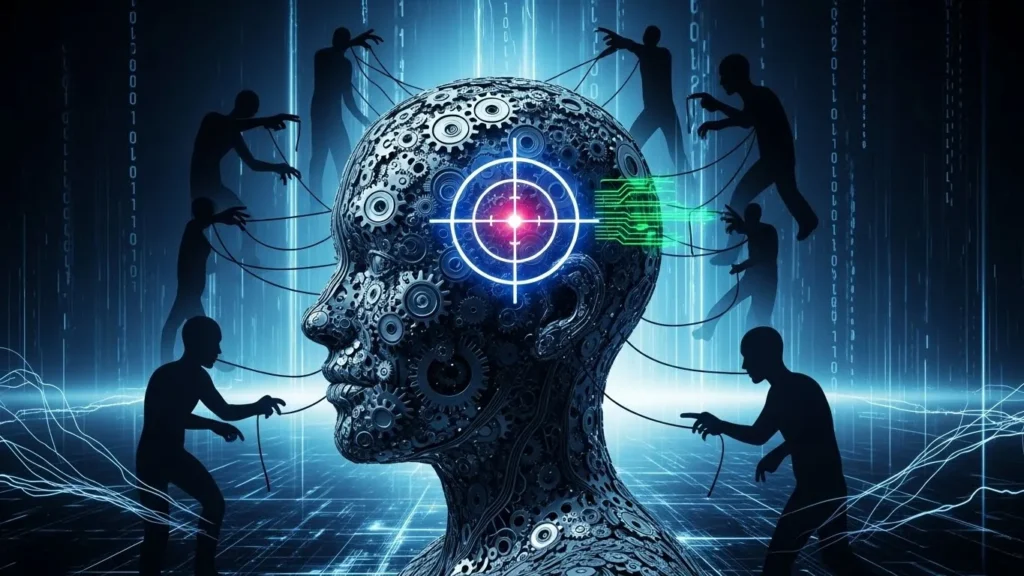
It Doesn’t Feel Like an Attack — And That’s the Point
Most people imagine cyberattacks as technical events.
Malware.
Code exploits.
System failures.
But many of the most successful attacks don’t touch systems first.
Social engineering works because it doesn’t fight human behavior—it uses it. It aligns perfectly with how we think, decide, trust, and react under everyday conditions.
That’s why even cautious, experienced users fall for it.
What Social Engineering Really Is (And Isn’t)
Social engineering isn’t about tricking “careless” people.
It’s about leveraging normal human responses:
- Trust
- Helpfulness
- Fear of loss
- Desire to fix problems
- Respect for authority
Instead of breaking security, attackers ask for permission—disguised as something reasonable.
And most of the time, people don’t realize they’ve been manipulated until much later.
Why Humans Are Easier to Exploit Than Systems
Modern systems are designed to resist attacks.
Humans are designed to:
- Cooperate
- Respond quickly
- Assume good intent
- Reduce friction
Those traits are strengths in real life.
Online, they become entry points.
Attackers choose social engineering because:
- It’s low cost
- It scales easily
- It bypasses technical defenses
- It leaves fewer immediate traces
The “weakest link” isn’t a flaw—it’s human nature functioning normally.
The Core Psychological Levers Social Engineers Pull
Almost every social engineering attack relies on a small set of predictable behaviors.
1. Trust and Familiarity
People trust what looks familiar—brands, coworkers, routines.
2. Urgency
Time pressure reduces verification and increases compliance.
3. Authority
Requests appear to come from someone important or official.
4. Reciprocity
When someone “helps” you, you feel compelled to respond.
5. Fear of Mistakes
People act fast to avoid being responsible for a problem.
None of these are weaknesses.
They’re human defaults.
Real-Life Social Engineering Examples You See Every Day
The Account Alert
A message claims unusual activity and asks you to “secure” your account. Acting quickly feels responsible.
The Colleague Request
An email appears to come from a coworker asking for a quick favor. Questioning it feels awkward.
The Shared File
A document arrives via a platform you use daily. Opening it feels routine.
Attackers frequently imitate trusted platforms like Microsoft, Google, or Amazon because trust already exists.
The attacker doesn’t build trust.
They borrow it.
Why Social Engineering Feels Reasonable in the Moment
Social engineering doesn’t feel like deception.
It feels like:
- Solving a small problem
- Doing your job
- Being helpful
- Staying secure
That’s intentional.
Attackers design messages that fit into normal mental flow, not disrupt it.
By the time logic catches up, the action is already complete.
The Autopilot Problem: When Thinking Stops
Humans rely on mental shortcuts to manage complexity.
These shortcuts:
- Save time
- Reduce cognitive load
- Enable quick decisions
Social engineering attacks are designed to blend into these shortcuts.
When something matches expectations, the brain stops checking details.
This “autopilot” state is where most successful attacks occur.
Old Security Threats vs Social Engineering
| Aspect | Technical Attacks | Social Engineering |
|---|---|---|
| Target | Systems | Human behavior |
| Entry | Exploits | Trust |
| Skill needed | Technical | Psychological |
| Detection | Faster | Slower |
| Prevention | Tools | Habits |
Technology improves every year.
Human behavior stays largely the same.
Why This Matters Today (And Will Continue To)
Digital life depends on trust.
We trust:
- Emails
- Messages
- Workflows
- Notifications
Without trust, nothing works.
Social engineering thrives because it doesn’t fight trust—it rides on it.
As systems grow more secure, attackers focus even more on the human layer, where defenses are informal and inconsistent.
Common Mistakes Social Engineering Relies On
These mistakes feel reasonable at the time:
- Acting quickly to prevent a “problem”
- Clicking links instead of navigating manually
- Trusting names instead of verifying sources
- Assuming filters block everything
- Believing familiarity equals safety
Attackers don’t need mistakes.
They need normal behavior at the wrong moment.
Subtle Red Flags People Miss
Even well-crafted social engineering attacks leak clues.
Watch for:
- Unexpected requests
- Pressure to act fast
- One-way actions (“click here now”)
- No option to verify independently
- Slight deviations from normal process
Social engineers avoid giving you time to think.
Simple Habits That Disrupt Social Engineering
You don’t need to be suspicious of everything.
You need intentional pauses.
Actionable steps:
- Slow down when urgency appears
- Verify requests through a second channel
- Use bookmarks instead of links
- Treat unexpected “routine” messages with care
- Ask: Was I expecting this?
These habits create friction—something social engineering depends on eliminating.
Why Training Alone Isn’t Enough
Many organizations train people to “spot scams.”
But social engineering doesn’t rely on ignorance.
It relies on:
- Fatigue
- Stress
- Workload
- Emotion
Habits outperform knowledge because they work even when you’re tired.
Key Takeaways
- Social engineering exploits normal human behavior
- Trust, urgency, and familiarity are its main tools
- Intelligence doesn’t prevent manipulation
- Autopilot thinking creates vulnerability
- Small behavioral changes stop most attacks
Frequently Asked Questions
1. Is social engineering just phishing?
No. Phishing is one method. Social engineering includes impersonation, manipulation, and trust-based attacks across many channels.
2. Are cautious people safe from social engineering?
They’re safer—but not immune. Attacks succeed during routine, stressful, or distracted moments.
3. Why do attackers prefer social engineering?
It’s cheaper, faster, and more reliable than technical attacks.
4. What’s the biggest red flag of social engineering?
Unexpected urgency combined with a request for immediate action.
5. Can social engineering ever be eliminated?
Unlikely. But its success rate drops dramatically with awareness and simple habits.
Conclusion: Human Behavior Isn’t the Problem — Unchecked Behavior Is
Social engineering works because it aligns with how humans naturally behave.
Not because people are careless.
Not because they’re uninformed.
But because trust, speed, and cooperation are necessary for modern life.
Once you understand how these traits are used against you, social engineering loses its power.
You don’t need to trust less.
You need to trust with intention.
That small shift turns the human mind from a vulnerability back into a defense.
Disclaimer: This article is for general informational purposes only and does not replace professional cybersecurity guidance for specific situations.

Natalia Lewandowska is a cybersecurity specialist who analyzes real-world cyber attacks, data breaches, and digital security failures. She explains complex threats in clear, practical language so everyday users can understand what really happened—and why it matters.
Pingback: Why Phishing Emails Still Work — Even When Everyone Knows About Them
Pingback: What Social Engineering Really Means — The Human Hack Explained Without Tech Jargon